- 01
DEFINE
Define the purpose, entities, sites, valuation date, currency, bases of value, asset categories, landlord and tenant responsibilities, and all inclusions and exclusions.
- 02
COLLECT & QUALIFY
Review the policies, existing SOVs, fixed-asset registers, drawings, invoices, contracts, technical records, equipment lists, capital expenditure and other available sources.
Accounting data supports reconciliation; it does not automatically replace insurance value.
- 03
CONDUCT THE SITE SURVEY
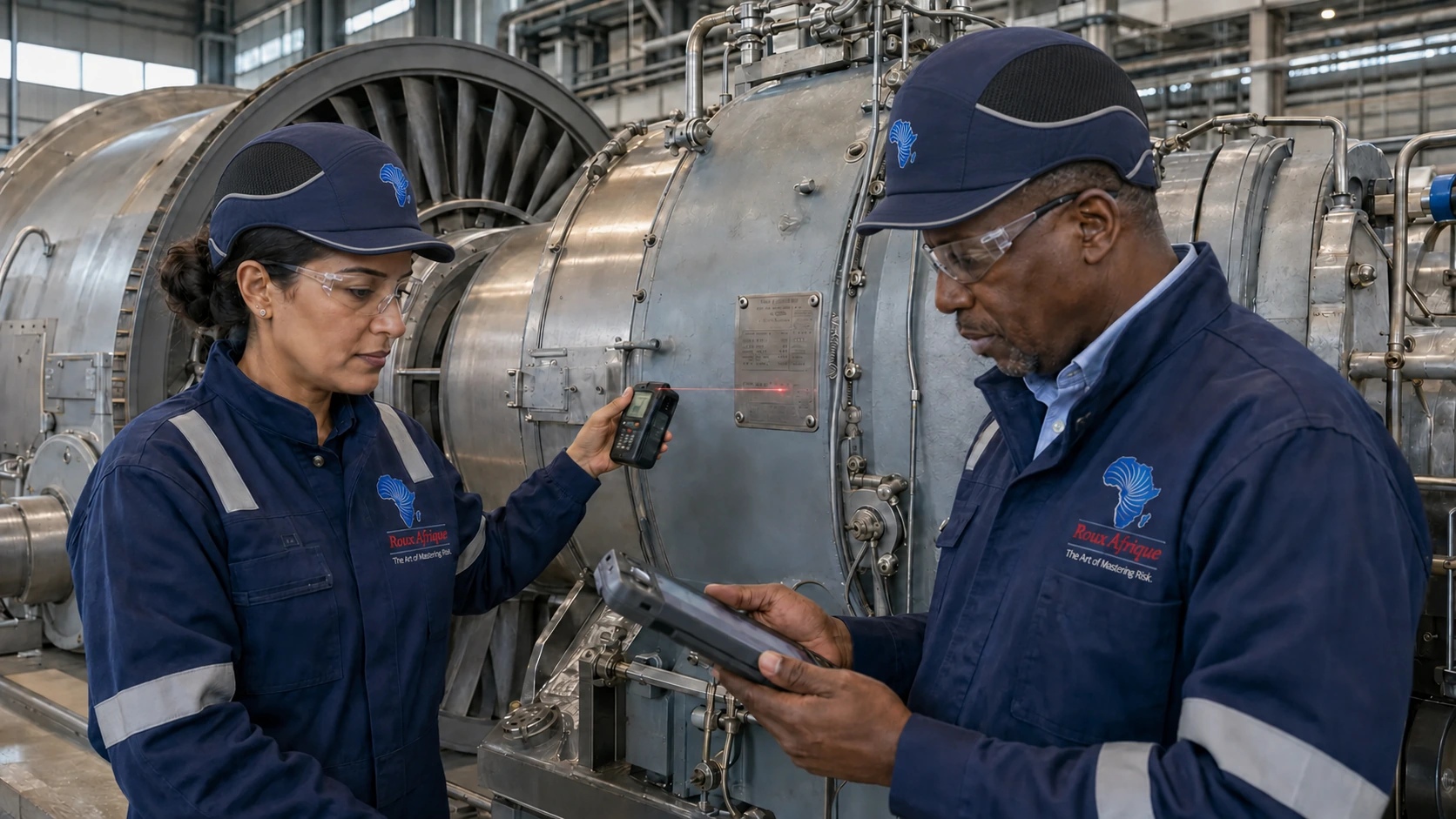
Identify and characterise the assets: location, dimensions, construction, function, manufacturer, model, capacity, age, condition, maintenance and installation environment.
The depth of survey work — exhaustive, targeted or sample-based — is defined in the engagement. A comprehensive physical inventory and the creation of an Asset Register remain a separate assignment.
- 04
CLASSIFY & RECONCILE
Organise assets by entity, site, area and insurance category. Identify missing assets, duplicates, transfers, recent investments, disposals and allocation inconsistencies.
- 05
MODEL COSTS
Assess local and imported costs, modern equivalent solutions, freight, non-recoverable duties, installation, engineering, testing and commissioning, within the agreed scope.
Exchange-rate effects, location, site accessibility and market conditions are addressed separately and linked to the valuation date.
- 06
DETERMINE ADJUSTMENTS
Determine Depreciated Value on the basis of documented assumptions applied either asset by asset or to homogeneous asset groups where that approach is justified.
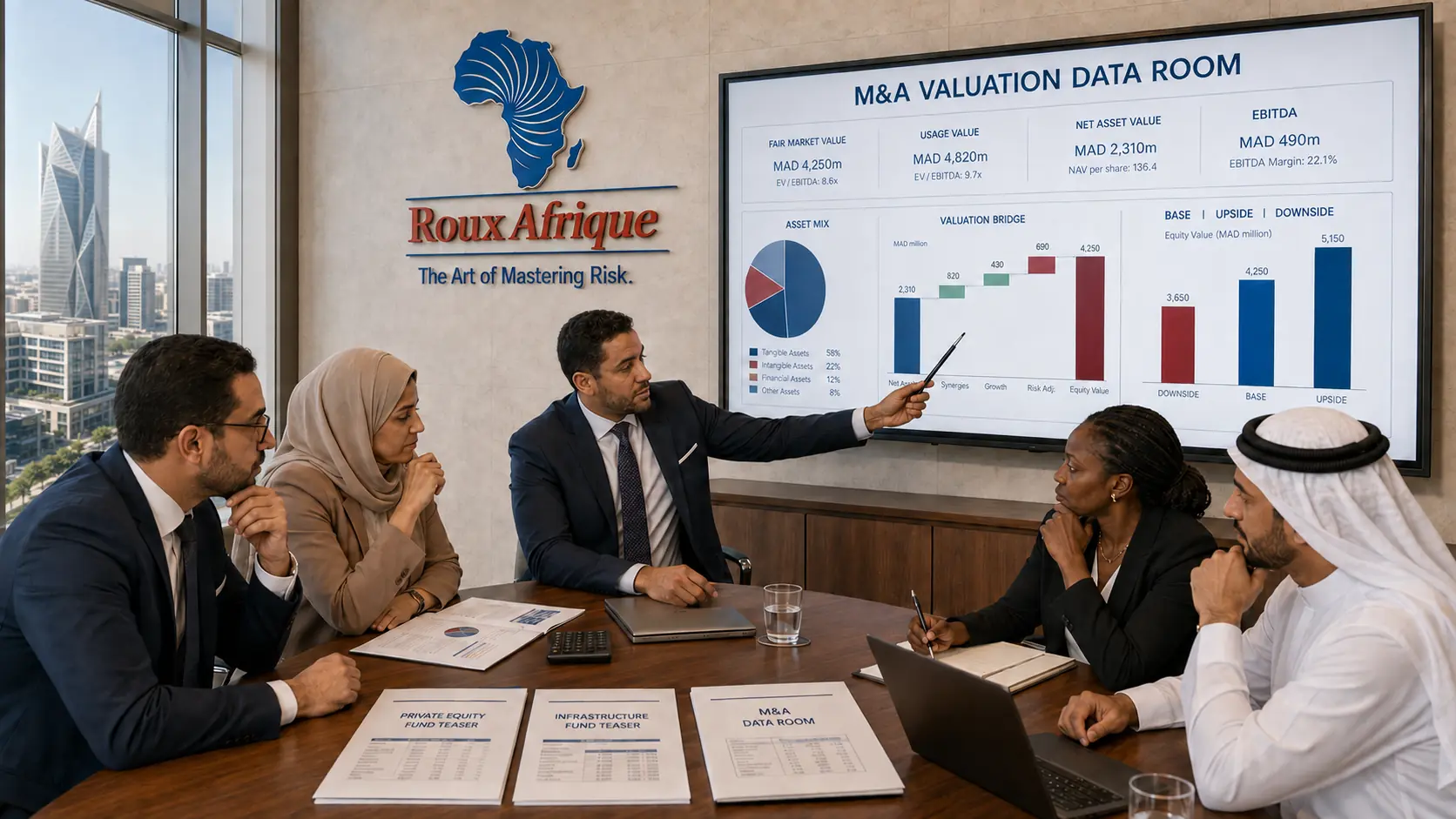
Fair Market Value and Value in Use are determined in accordance with their respective methodologies and assumptions where included in the engagement.
- 07
REVIEW & CONSOLIDATE
Perform reconciliations, consistency checks, variance analyses, unit-cost checks, double-counting reviews and validation of aggregations.
Material assumptions, missing data and limitations are subject to expert review before issue.
- 08
DELIVER & UPDATE
Issue a draft version, collect documented comments, resolve variances and then produce the final report and SOV.
An updating protocol sets out responsibilities, trigger events, index sources and updating rules.